IP Topics

Hidden Circuits Interactive

I made this interactive tool using javascript for the teaching of DC circuits for integration with SLS as part of the IP4 Physics blended learning experience in the upcoming weeks.

The intention of this interactive is for students to do a preliminary inquiry activity to exercise what they learnt about series and parallel circuits. They can be tasked to draw out what they think the circuit diagram will be like, either on Nearpod or SLS.

Students can even notice the differences in brightness under different conditions. Questions can be designed around this as well.

Previously we used to construct little boxes with wires hidden underneath. However, due to wear and tear and with Covid-19’s safe management measures, a digital version that can be accessed via the students’ mobile devices is more suitable.

Light bulb image is adapted from Good Ware from www.flaticon.com
Switch image is adapted from Those Icons from www.flaticon.com

For a direct link to this interactive, please go to: https://www.physicslens.com/wp-content/uploads/2022/04/index.html (updated link)

To obtain the zip file for upload into SLS as an interactive media object, click here.
Videos on Electromagnetism

This is a post that exists simply to park the YouTube videos that I might need to use during a JC2 lecture on Electromagnetism.

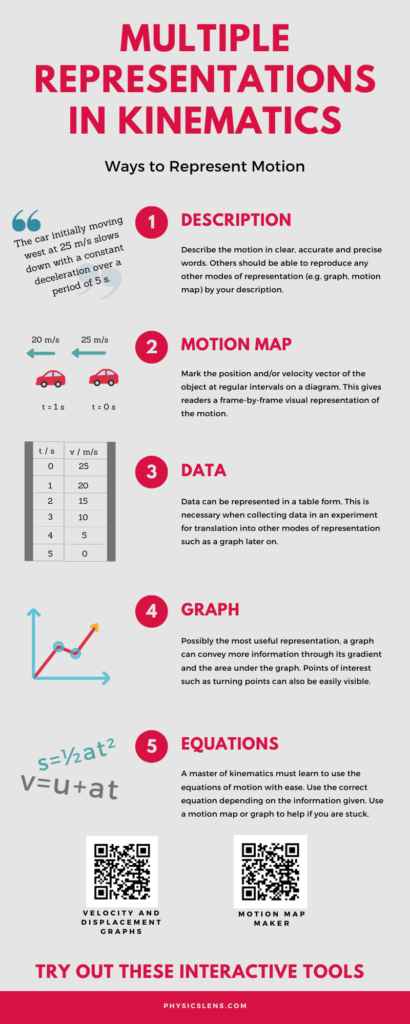
Multiple Representation in Kinematics

This is another Infographic made using Canva last year.

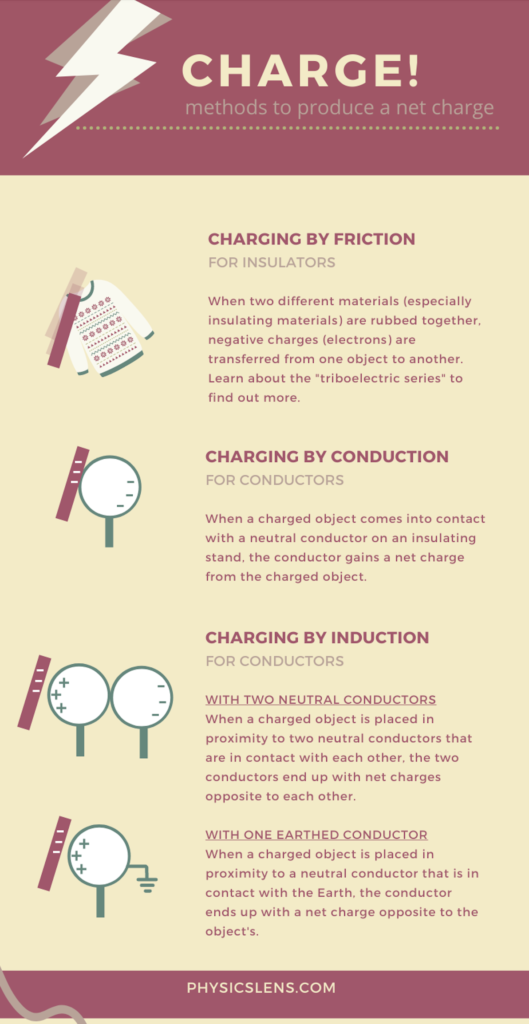
Charge! [Infographics using Canva]

I like Canva for its ease of use and beautiful templates for creating simple infographics. This is an example of one that I did to simplify the content for IP4 Static Electricity.

Pressure-Distance Graph of a Sound Wave

This GeoGebra applet was modified from an existing applet to show the relationship between the pressure-distance and displacement-distance graph of a progressive longitudinal wave.

Pythagorean Cup

This is a 3D printed Pythagorean cup, otherwise known as a greedy cup, where if one pours far too much water or wine or whatever your greedy heart desires, all the contents in the cup will leak out through the bottom.

This is based on the design by “jsteuben” on Thingiverse (https://www.thingiverse.com/thing:123252). The siphoning effect kicks in when the water level is above the internal “tube” printed and hidden into the walls of the cup.

I printed another cup based on a more conventional design as well, but due to the wrong settings given when I prepared the gcode file, the cup was rather leaky when the water level was low. This design by “MonzaMakers” has a protruding siphon tube. (https://www.thingiverse.com/thing:562790)

Explaining how the siphon works is easier with the second cup. When the water level is lower than the highest point in the siphoning tube, it remains in the cup. When it exceeds the highest point of the tube, water begins to flow down the part of the tube leading to the opening at the bottom of the cup. The falling water column creates a suction effect and continuously draws the rest of the water in, until the cup is dry.